Tuesday, June 22, 2010

Eat What You Sow

1 comments

Wanting to use several vegetables from the garden yesterday, I decided to stuff a pork tenderloin for dinner, but didn’t know how to butterfly the tenderloin. So, like millions of people everywhere, I googled it, and low and behold, there was a video! I ran out to the garden and picked some swiss chard, sage, squash and green beans. I sautéed the chard with garlic, pine nuts, sage, bread crumbs, and roasted tomatoes (unfortunately I’m still a week or so away from using tomatoes from my garden).

I followed the directions for butterflying the tenderloin, and added the stuffing on top along with a little salt and pepper, and rolled it up. Googling how to tie up the tenderloin, I was again rewarded with a video. This went into a 400º oven for 20 minutes, while I sautéed the squash and green beans (which I had blanched earlier) with a little garlic and salt.

I let the tenderloin rest for about 15 minutes before slicing. A very simple and delicious meal from the garden.

Tuesday, June 1, 2010

Micro-Farming

0 comments

Two days away and life on our little micro-farm goes on. We returned home to a broody hen (poor thing, the other hens have really been abusing her; she is missing several wing feathers and walks around puffed up to protect herself from attack) and the collards pretty much decimated from cabbage worms. Although I diligently sprayed every single leaf with a homemade organic concoction—a head of pureed garlic and Cheyenne pepper—it didn’t work. I took great pleasure in picking them off and feeding them to the hens. Guess I’ll just have to continue this morning ritual if I’m to have any hope at all of eating collards from my garden this fall.


We also returned to small green tomatoes, green beans, tiny little eggplants, out-of-control zucchini, onions practically bursting from the soil, and a few pickling cucumbers.


Monday, May 10, 2010

Contaminated Fruits and Vegetables in the Produce Aisle

0 comments

On my way back from Florida I picked up a “Natural Awakenings” magazine and found a great article by Barbara Sowa of Wren Song Farm entitled “Poisons in the Produce Aisle?”about the most (and least) contaminated fruits and vegetables at the grocery store and thought I would share. If you can’t afford to buy organic all the time, please at least buy organic (or grow your own) when you eat any of the following. These fruits and vegetables are sprayed with pesticides that CANNOT be washed or peeled off and which contain chemicals that can seriously affect your health.

Most Contaminated Fruits and Vegetables*

  1. Peaches (found to be the most toxic fruit)
  2. Apples
  3. Bell Peppers
  4. Celery
  5. Nectarines
  6. Strawberries
  7. Cherries
  8. Kale
  9. Lettuce
  10. Grapes (imported)
  11. Carrots
  12. Pears

According to the article, those fruits and vegetables that are safe to eat non-organic are:

  1. Onions
  2. Avocado
  3. Sweet corn (frozen)
  4. Pineapple
  5. Mango
  6. Asparagus
  7. Sweet peas (frozen)
  8. Kiwi
  9. Cabbage
  10. Eggplant
  11. Papaya
  12. Watermelon

*Both lists courtesy of the Environmental Working Group.

Thursday, April 29, 2010

Spring Garden 2010

0 comments

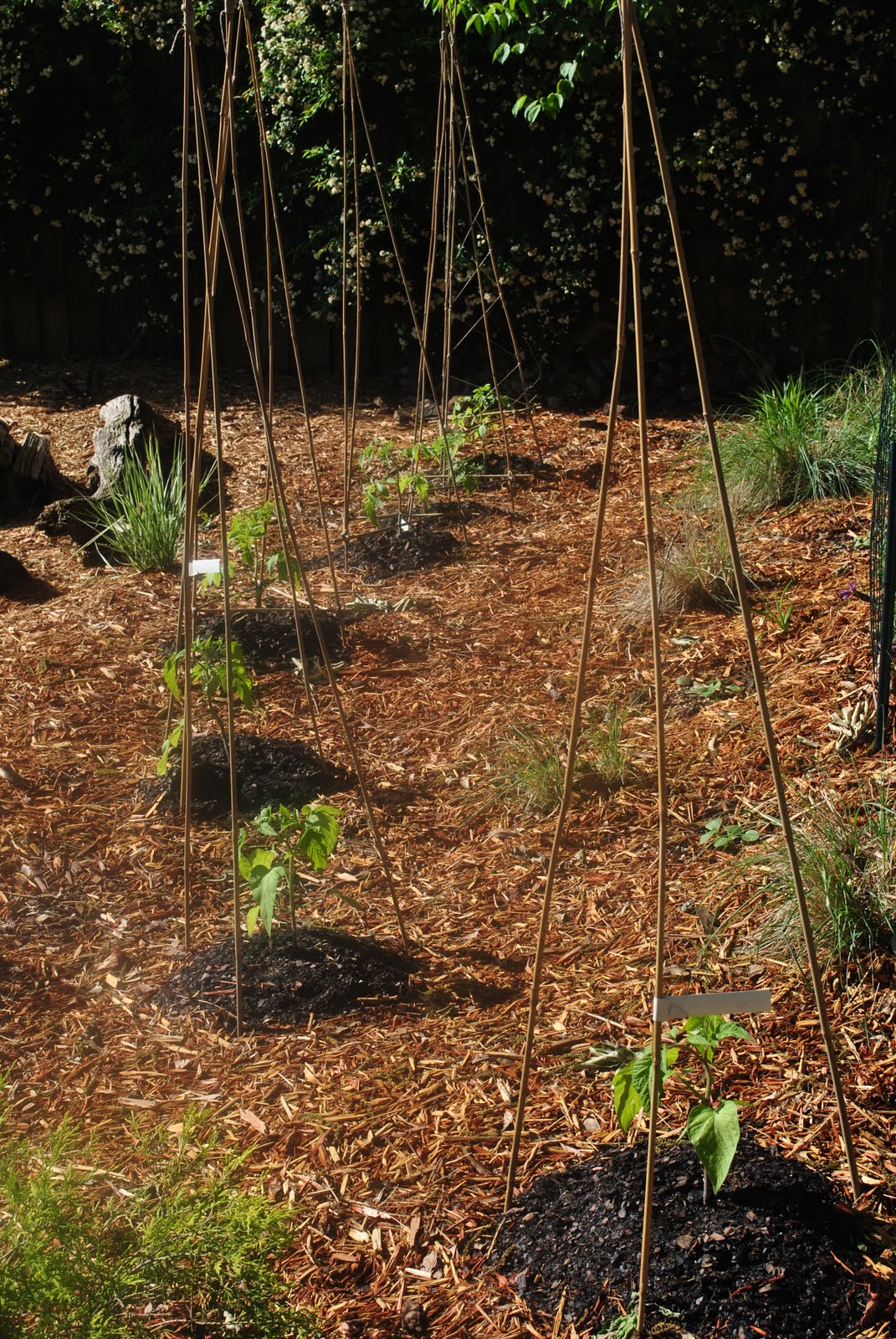
Spring finds me craving trips to the garden store. I long to plant; perennials, vegetables, annuals. I spend time critically examining the garden, thinking of what needs to be divided or moved and where I can fill in with new plants. This led to an expansion of the kitchen garden this year, moving tomatoes and squash outside the raised beds to create room for more of everything else. Of course, I'm still eyeing the empty lot down the street and trying to decide whether to "squat" plant it or not. Until then I have to make do with the limited space I have, and adding tomatoes to the front yard among the roses seemed like a good idea, likewise planting squash between ornamental grasses out back.


In mid-March we planted lettuces, leeks, swiss chard and spinach, all of which, with exception of the leeks, are ready to harvest. Once the last frost date passed we planted more spinach and lettuce, along with cabbage—yes, I know I was unsuccessful last year, but am determined to beat the cabbage worms this year with an organic spray of garlic, cayenne pepper, water and a dash detergent—provider beans, black beans, tomatoes, squash, eggplant, zucchini, pickling cucumbers, peppers, and sweet potatoes. You can see why we needed the extra room.

We dressed everything with a deep layer of nitrogen-rich compost (thanks to the ladies!) and it seems to have done the trick. We have an ample crop of onions, which were planted last fall and nursed through two snows earlier this year, and the garlic seems to be doing well and will be ready for harvest in June.

The herb garden is flourishing: tarragon, marjoram, oregano, thyme, basil, parsley, mint, cilantro, and of course rosemary. I've planted some herbs among the veggies (oregano planted with cabbage is suppose to repel cabbage butterflies, the offspring of which devoured the cabbage and broccoli last year), lavender to border the garden, and foxglove at the entrance. The blackberry has gotten big and had a nice show of flowers, the blueberries are looking healthy, and the strawberries are beginning to fruit.

All in all, year two of our effort to be more self-sustainable is looking pretty good. If I could take over the empty lot down the street, I could grow enough fruits and vegetables for canning and freezing to take us through the winter months. Hmmm...